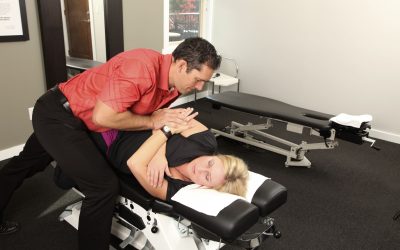
When exploring treatment options for spine-related concerns, many patients want to understand how care plans are developed and why certain approaches progress gradually. Spine Decompression Therapy is designed around controlled techniques that allow healthcare providers to adjust treatment based on individual needs, comfort levels, and goals.
Unlike approaches that focus on making sudden changes, spinal decompression typically follows a structured process. A gradual progression allows providers and patients to better understand how the body responds throughout care while making adjustments when necessary.
For individuals in Richmond, VA, learning how spinal decompression works and why treatment plans may progress over time can help create realistic expectations before beginning care.
Understanding the Purpose of Spinal Decompression Therapy
Spinal decompression is a treatment approach that uses controlled traction techniques to support spinal movement and mobility. The process involves applying gentle, guided stretching to the spine with the goal of reducing pressure and supporting comfortable movement.
Before beginning treatment, a chiropractor typically considers factors such as health history, symptoms, movement patterns, and individual goals. This evaluation helps determine how care should be approached and what level of progression may be appropriate.
Every patient responds differently to treatment. Because of this, spinal decompression plans are often adjusted based on individual circumstances rather than following the same process for everyone.
Patients interested in learning more about this approach can explore Spinal Decompression to better understand how this type of care works and what may be involved during treatment.
Why Gradual Progression Is Used During Care
Gradual progression is an important part of many healthcare approaches because it allows providers to monitor how patients respond. With spinal decompression, controlled changes can help create a more comfortable treatment experience.
A gradual approach may involve adjustments to factors such as:
-
Treatment duration
-
Level of traction
-
Frequency of appointments
-
Overall care progression
These adjustments allow the treatment process to be based on the patient’s experience and needs. Rather than applying the same approach to every individual, providers can modify care as they learn more about how the body responds.
For many patients, understanding that treatment develops over time can help them approach care with better awareness and realistic expectations.
How Chiropractors Evaluate Treatment Progress
A chiropractor plays an important role in monitoring progress during spinal decompression care. Before and throughout treatment, they may discuss changes in comfort, movement, and daily activities.
Progress evaluations can include conversations about:
-
How the patient feels between appointments
-
Changes in mobility
-
Comfort during daily activities
-
Overall response to treatment
These discussions help providers determine whether adjustments to the care plan may be appropriate.
Communication between patients and providers is an important part of the process. Patients are encouraged to share their experiences, ask questions, and discuss any concerns they may have during appointments.
The Role of Chiropractic Spinal Decompression in Patient Care
Chiropractic spinal decompression combines guided decompression techniques with a chiropractic approach focused on understanding movement and spinal function.
This approach considers how the spine interacts with surrounding muscles, joints, and daily activities. A provider may evaluate movement patterns and lifestyle factors when developing a care plan.
Spinal care often requires attention to the details of each individual’s situation. Factors such as activity level, work demands, and personal health goals may influence how treatment is structured.
By using gradual progression, chiropractic providers can create a more personalized approach that considers the patient’s comfort and response throughout the process.
What Patients Can Expect During a Spinal Decompression Plan
Patients beginning spinal decompression care may wonder what each appointment will involve. While every care plan is different, appointments generally focus on providing controlled and comfortable treatment sessions.
During visits, patients may:
-
Discuss changes since their previous appointment
-
Receive guided decompression treatment
-
Communicate any concerns or questions
-
Review the next steps in their care plan
Understanding the process can help patients feel more prepared and involved. A gradual treatment approach also allows time for education, communication, and adjustments when needed.
Patients should remember that treatment plans are based on individual factors. The timeline and progression of care can vary depending on each person’s situation and goals.
Factors That May Influence Treatment Progression
Several factors can influence how a spinal decompression plan develops. These may include the patient’s current condition, daily activities, health history, and response to treatment.
For example, someone with physically demanding work may have different considerations compared to someone with a primarily sedentary lifestyle. A person’s movement habits and wellness goals can also influence how care is approached.
A gradual plan gives providers the opportunity to consider these factors while helping patients better understand their progress.
Choosing a Chiropractic Clinic for Spinal Decompression Care
When exploring spine decompression therapy in Richmond, VA, patients often look for a chiropractic clinic that focuses on communication and personalized care planning.
Understanding how a provider approaches treatment progression can help patients feel more informed about their options. A thorough consultation allows individuals to discuss their concerns and learn more about what the process may involve.
Spinal decompression is not about rushing through treatment. A structured approach allows providers and patients to work together while considering comfort, goals, and overall movement needs.
Moving Forward With Spinal Decompression Care
Learning how spinal decompression works and why gradual progression is used can help patients better understand the treatment process. A thoughtful approach allows care plans to be adjusted based on individual needs and responses.
If you are considering spinal decompression therapy in Richmond, VA, scheduling a consultation can help you discuss your concerns, learn about available options, and understand how this approach may fit your healthcare goals.